
Custom Window Cartons for Chocolate and Candy
$0.35–0.80MOQ 500
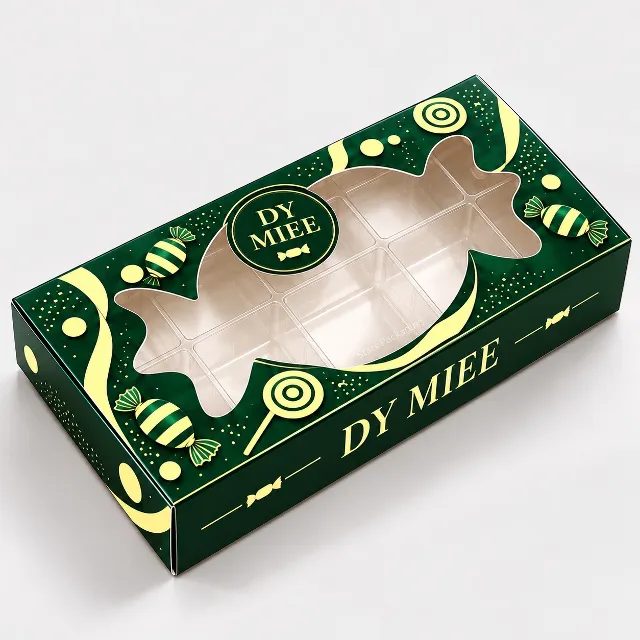
A candy-shaped window gives a view of the compartmented presentation inside.
Explore packagingCUSTOM PACKAGING
Explore paper cartons and gift packaging for chocolates, sweets and packaged food collections. Start with the food-contact boundary, then plan portions, handling and the information your customer needs.

EXPLORE PACKAGING
18 packaging options
A candy-shaped window gives a view of the compartmented presentation inside.
Explore packaging
Blue lid-and-base boxes with a spoon-shaped insert and circular finger-access opening.
Explore packaging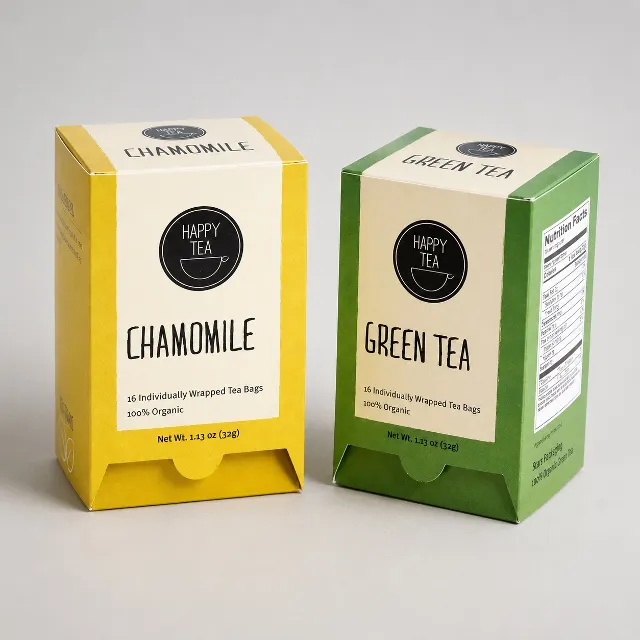
Lower front opening provides access to individual tea sachets.
Explore packaging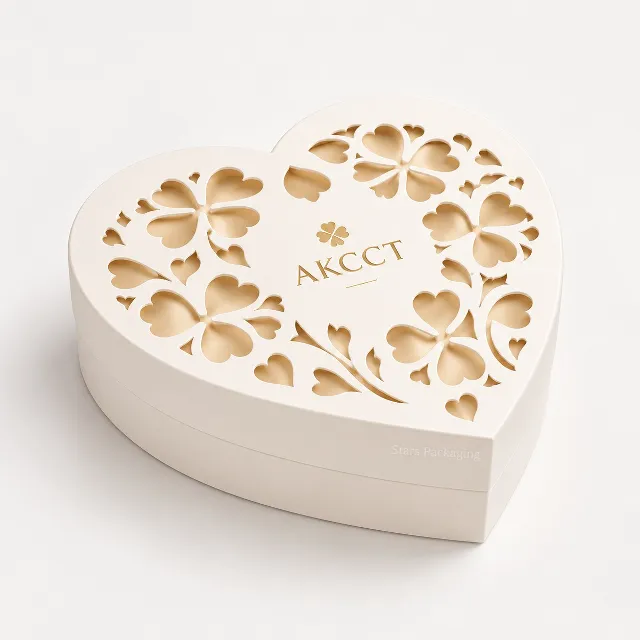
White heart-shaped chocolate gift boxes with decorative cut-out lids and compartment trays.
Explore packaging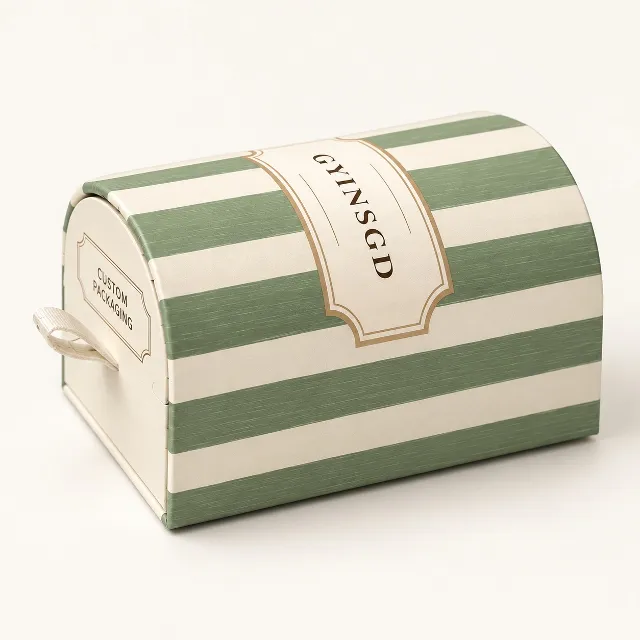
Arched gift packaging with a striped outer sleeve, slide-out tray and ribbon pull.
Explore packaging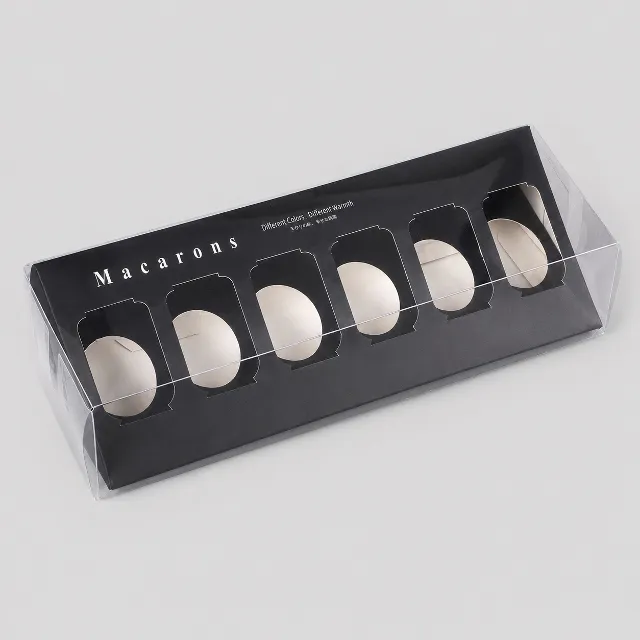
Six insert openings define individual macaron positions.
Explore packagingA gift box around sealed chocolate wrappers has a different job from a tray that touches unwrapped chocolates. Map every contact surface, including liners, windows, coatings, inks and adhesives. The intended food, contact conditions and destination market should be known before a material is selected.
Then plan how the collection will be packed and enjoyed. Separate pieces that could mark one another, allow access to each portion and check whether the pack needs to be reclosed. A neat paper presentation is not evidence of a moisture barrier, grease resistance or a validated shelf life; those requirements need their own assessment.
Cartons for sealed products
Use the dimensions of the wrapped item to explore sleeves or folding cartons. Leave space for the approved ingredient and allergen information.
Confectionery gift boxes
Review the number of portions, separators and the opening sequence. Confirm whether each insert or liner is presentation-only or a food-contact component.
Food gifting collections
Group sealed jars, pouches or cartons without allowing heavy items to crush lighter packs. Assess the complete load and the delivery outer.
Provide the product type, individual wrapping, portion count, filled weight and intended storage and delivery conditions. Mark any surface that may touch food and request the applicable material documentation before approving that use.
Only after the complete contact construction has been assessed for the intended food and conditions of use. Do not infer suitability from the word paper.
No. Appearance does not establish suitability. Confirm the complete material specification and the relevant supporting information for the proposed application.
Do not rely on a presentation carton for that purpose. Shelf-life and barrier requirements must be evaluated with the food and its primary packaging.
Possibly, if each portion fits and the separators still work. Check mixed weights, product heights and the correct artwork for every assortment.