
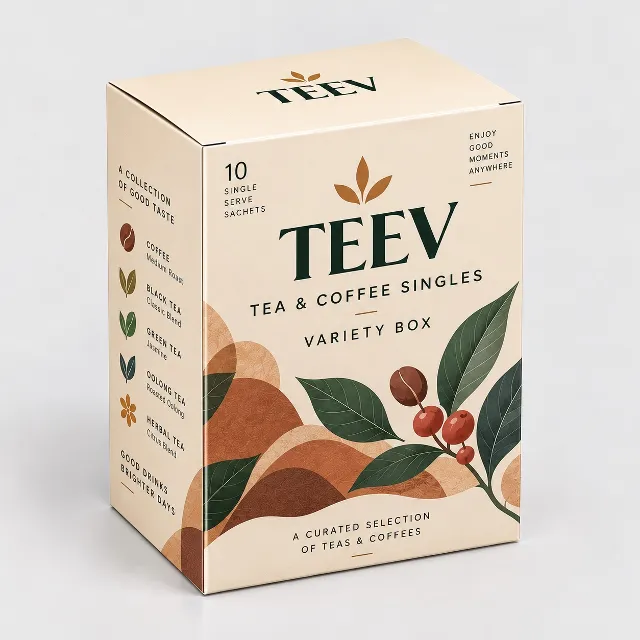
Custom Tear-Open Display Cartons for Tea and Coffee Sachets
$0.10–0.50MOQ 500
A closed carton format becomes an open-front counter display.
Explore packagingPACKAGING / COLLECTION
Folding cartons are paperboard boxes that fold along scored lines to form a retail pack. They provide space for brand artwork and product information around items such as skincare bottles, candle jars and accessories. Choose the closing style and panel layout around how the product will be packed and opened.
Supply the final product dimensions and approved text before preparing print artwork. The carton can then be reviewed for fit, assembly and the position of any insert or window. For food-related projects, identify whether the box surrounds a sealed product or includes any direct-contact components so the material requirements can be assessed separately.
34 packaging options
A closed carton format becomes an open-front counter display.
Explore packaging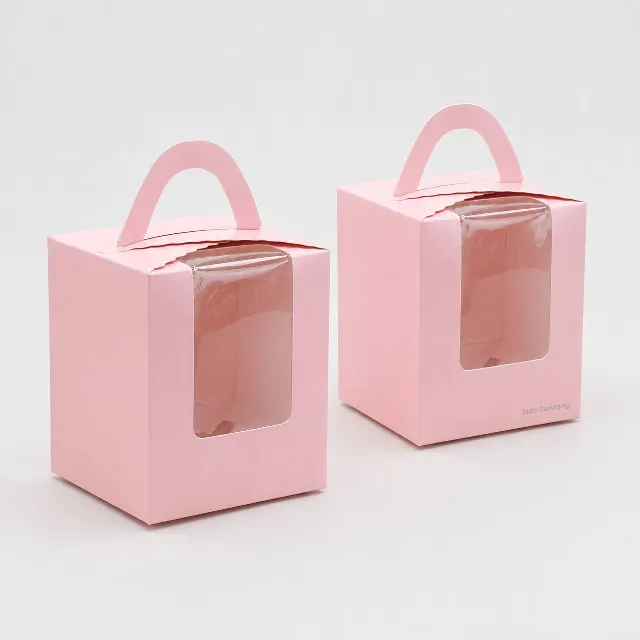
Circular insert opening defines one cupcake position.
Explore packaging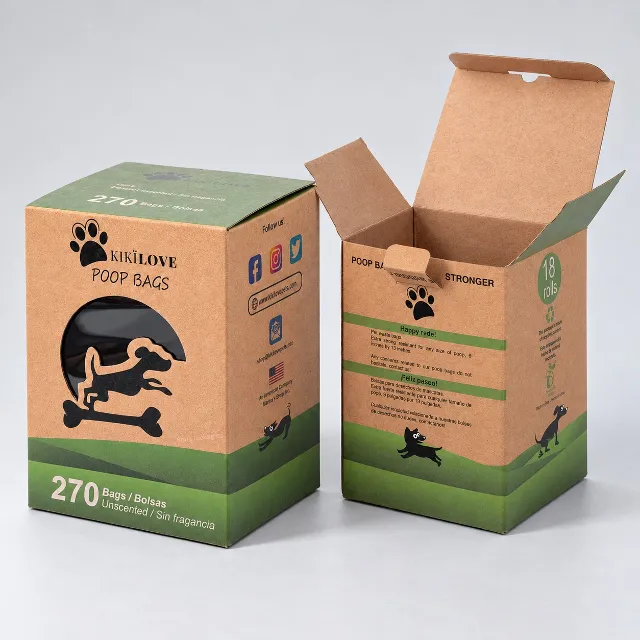
A shaped front opening reveals the bag rolls while retaining a printed front panel.
Explore packaging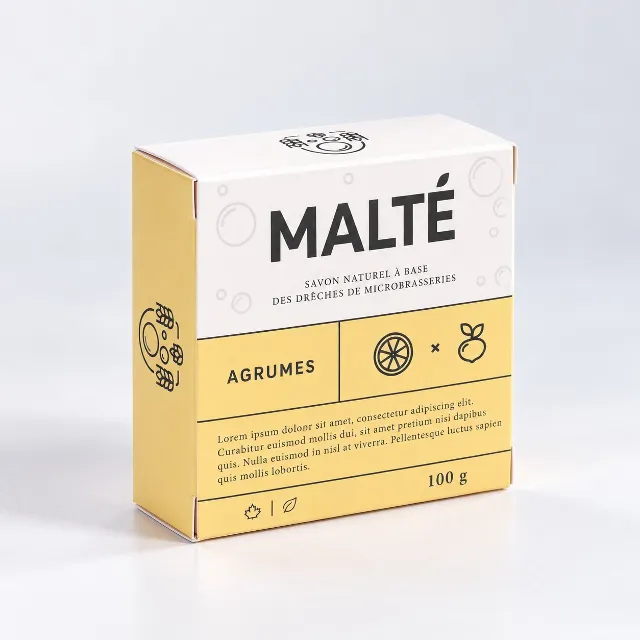
Printed tuck-top folding cartons sized for individual soap bars.
Explore packaging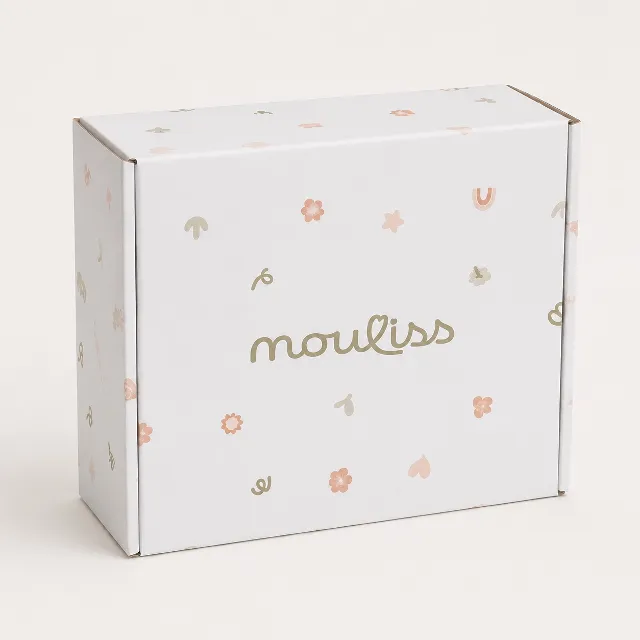
Wide base provides room to arrange folded clothing sets.
Explore packaging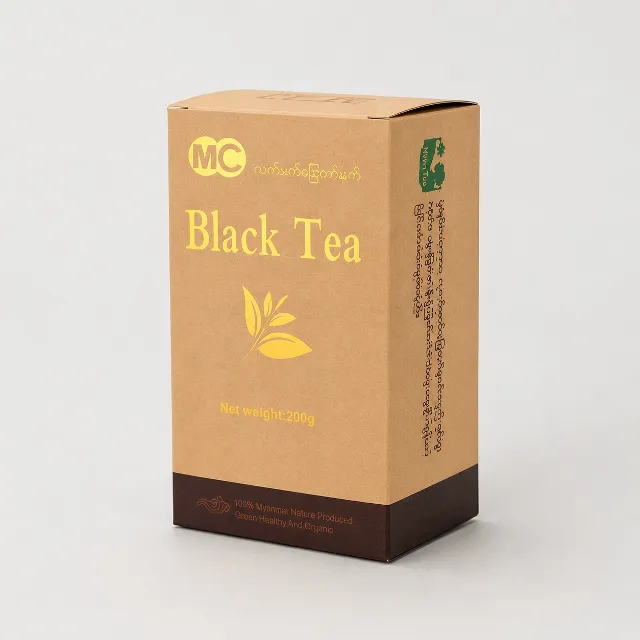
Upright carton format stores wrapped tea bags in a stack.
Explore packaging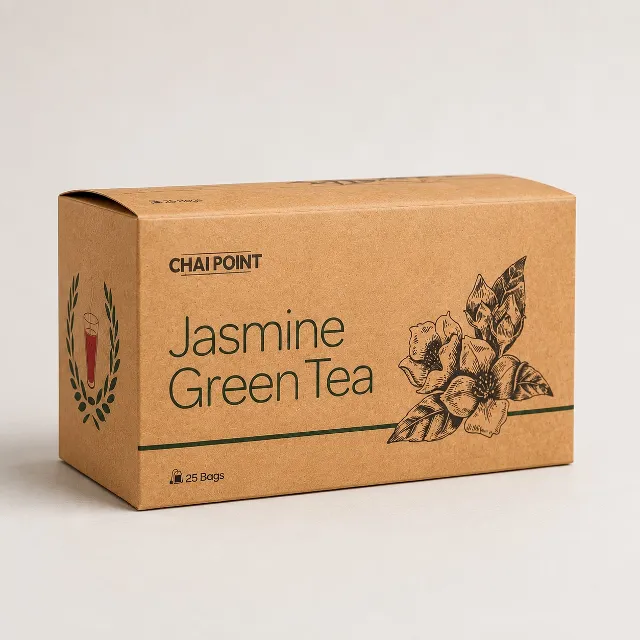
Wide base arranges wrapped tea bags in an accessible row.
Explore packaging
Slim toothpaste folding cartons with holographic film and contrasting black print.
Explore packaging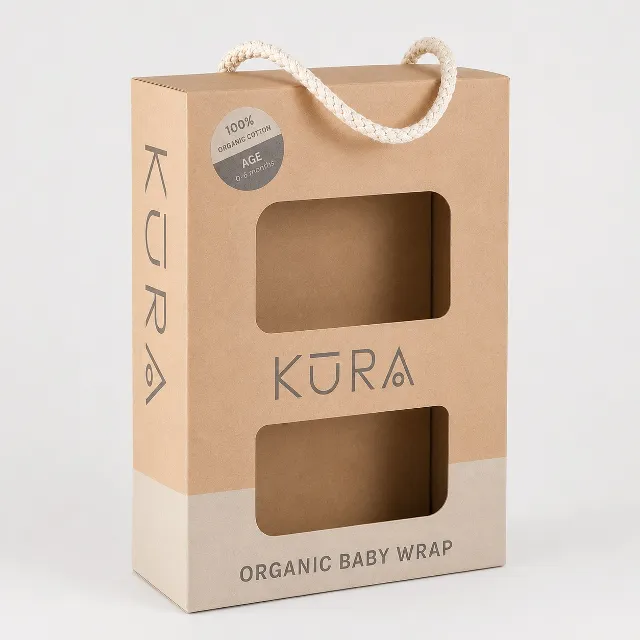
Twin windows reveal the folded textile through the front panel.
Explore packaging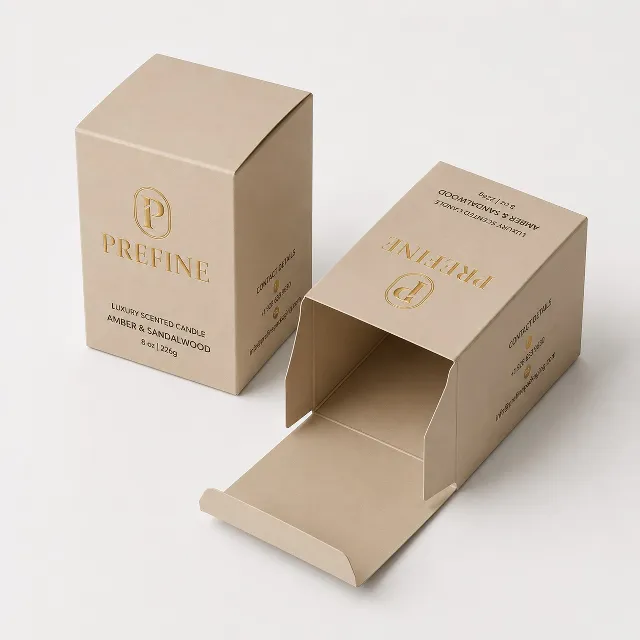
Beige kraft candle cartons with tuck-top openings and printed product panels.
Explore packaging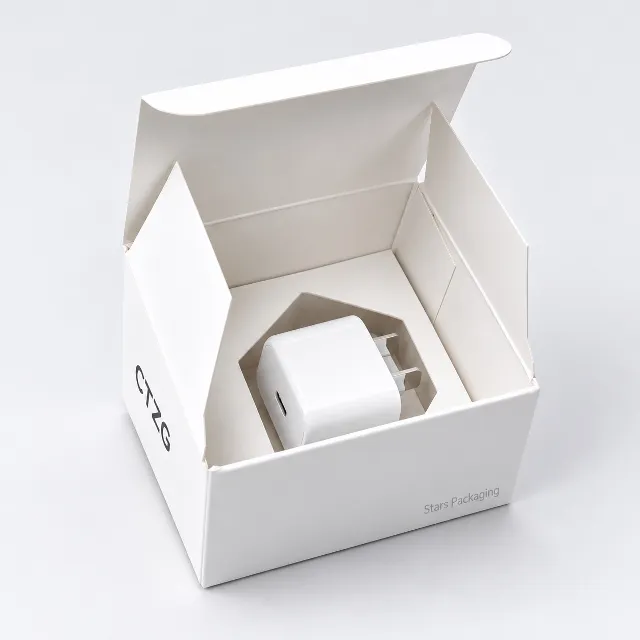
A die-cut paper insert defines the position of a compact product inside the carton.
Explore packaging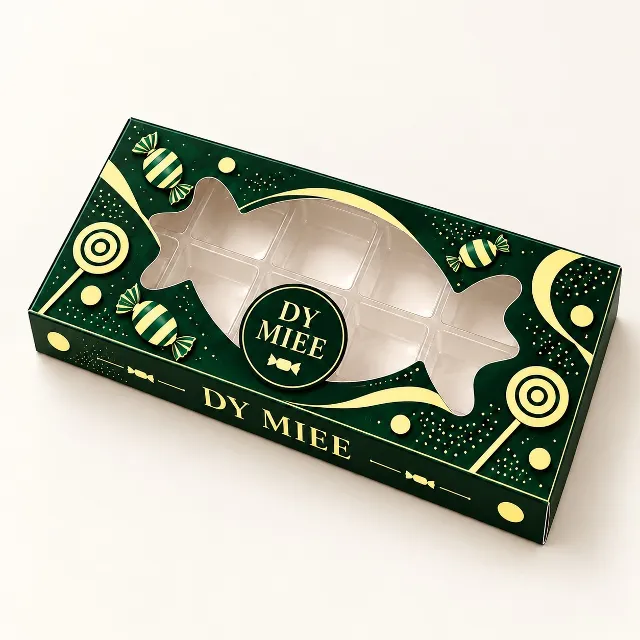
Custom window confectionery boxes with a separate PP cavity tray and printed tuck-end carton.
Explore packagingGOOD TO KNOW
No. A folding carton is a paperboard carton construction. A collapsible rigid box retains a different board and assembly structure.
Use the approved dieline and product text. Keep critical information and artwork placement consistent with the intended folds and closures.
Do not infer food-contact suitability from the carton format. The complete materials and intended contact conditions need a separate assessment.