
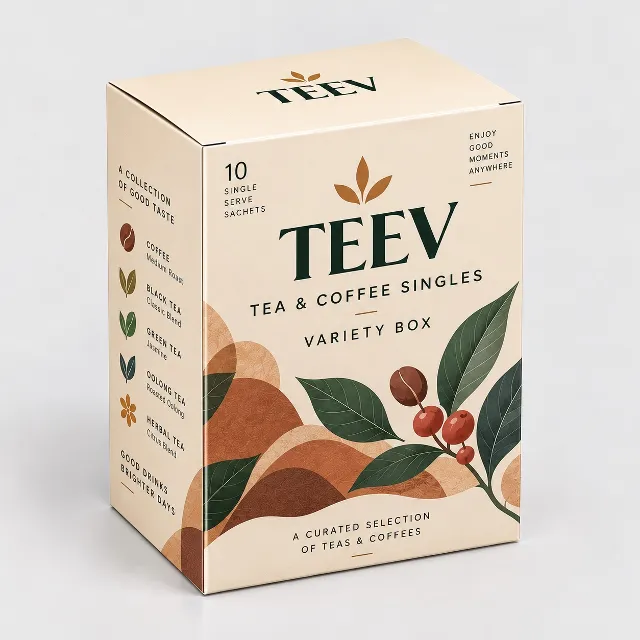
Custom Tear-Open Display Cartons for Tea and Coffee Sachets
$0.10–0.50MOQ 500
A closed carton format becomes an open-front counter display.
Explore packagingCUSTOM PACKAGING
Build paper packaging around the journey from packing bench to recipient. Compare mailer and subscription-box layouts with attention to product movement, assembly, label space and changing assortments.

EXPLORE PACKAGING
6 packaging options
A closed carton format becomes an open-front counter display.
Explore packaging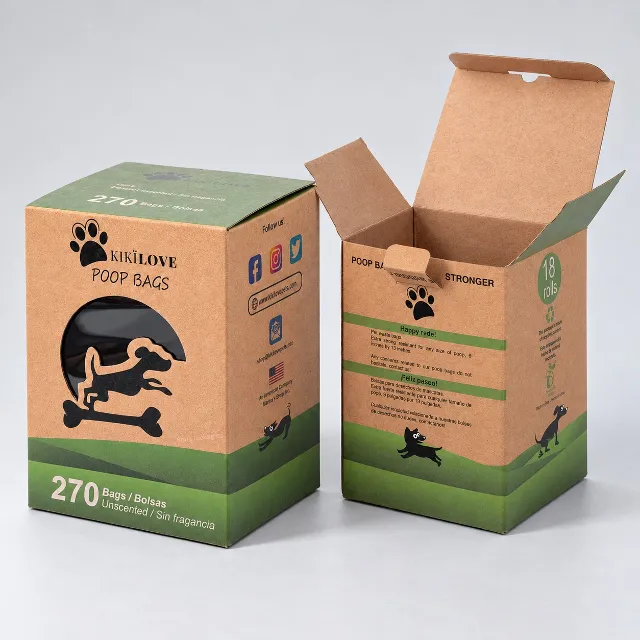
A shaped front opening reveals the bag rolls while retaining a printed front panel.
Explore packaging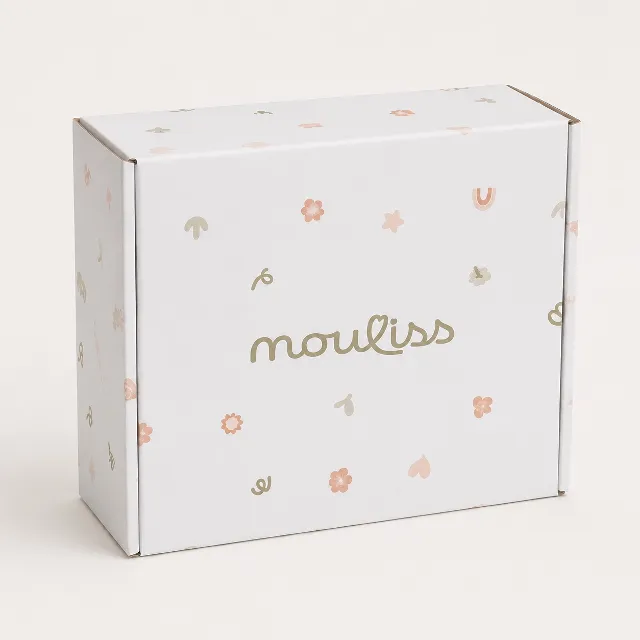
Wide base provides room to arrange folded clothing sets.
Explore packaging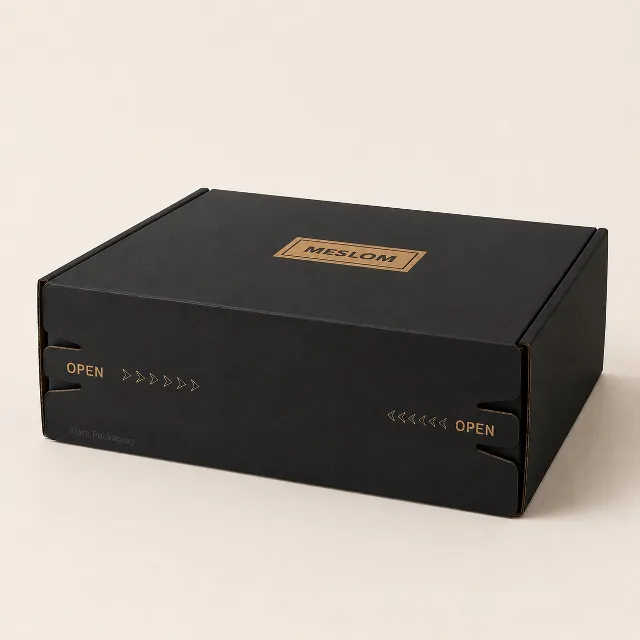
Integrated adhesive strips form the lid sealing area.
Explore packaging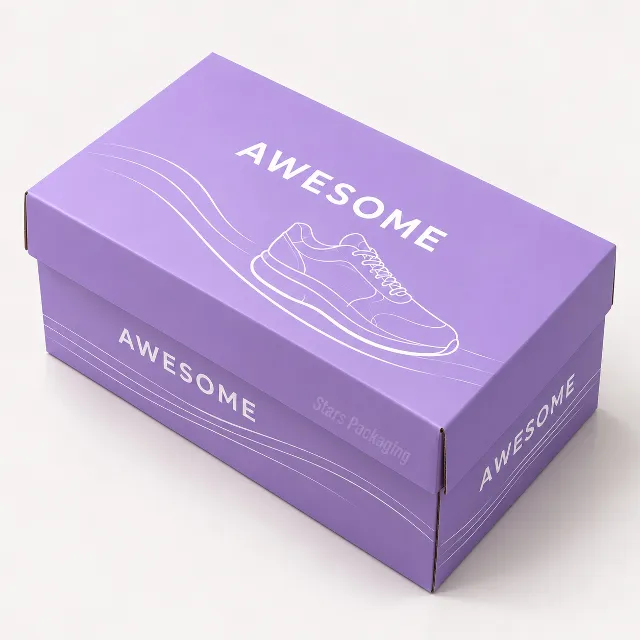
Fold-flat blank reduces empty-box storage volume.
Explore packaging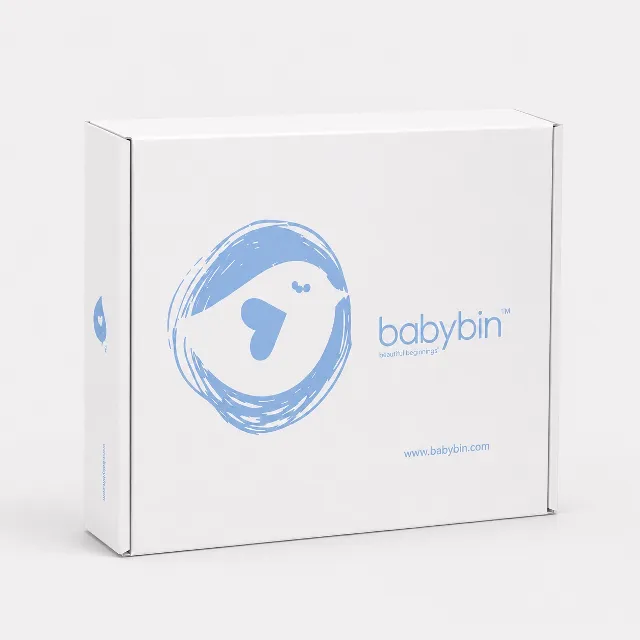
Open base brings baby garments and accessories into one gift set.
Explore packagingStart with a complete representative order, including product packaging, inserts, paperwork and sealing materials. A subscription may change from month to month, so define the smallest, largest and heaviest assortment that a shared format is expected to carry. Too much empty space can create movement; an overfilled box can make closing and packing inconsistent.
Work through the order at the packing bench. Consider assembly steps, label placement, barcode visibility and the opening experience after the seal is removed. If returns or repeat use are intended, assess that journey specifically rather than assuming that an attractive mailer can withstand it.
Corrugated mailers
Review board construction, closure and internal positioning as a complete packed system. Printing and colour do not establish shipping performance.
Subscription assortments
Define the working size range and the internal arrangement for changing contents. Test the least favourable combination, not just the best-looking set.
Presentation inside a shipper
Consider a separate shipping outer when the presentation pack needs to arrive clean or when the product requires additional protective components.
Provide representative orders, packed weights, destination regions, fulfilment method and carrier requirements. Identify the expected distribution hazards and agree the relevant package testing with the responsible team. Include the planned returns process if one is required.
No. Performance relates to the complete product-package configuration and the selected test procedure. Use applicable evidence for the actual packed system.
Only within a defined, checked range. Review changes in weight, dimensions and movement, and reassess configurations that differ materially.
Plan a clear, practical area with the fulfilment team. Avoid positions that obstruct closures or make the label difficult to read after sealing.
No. Define the return method, sealing arrangement and expected handling, then assess the pack for that additional journey.