
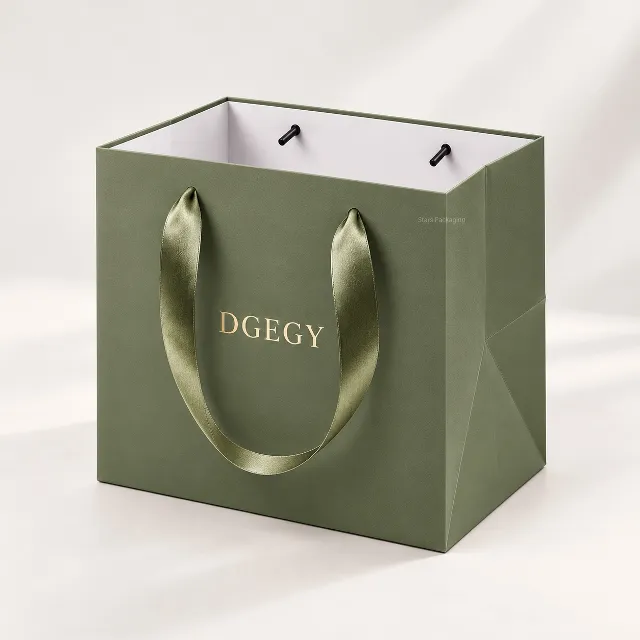
Custom Olive Green Paper Bags with Satin Ribbon Handles
$0.35–0.55MOQ 500
A broad rectangular base creates space for a boxed gift presentation.
Explore packagingCUSTOM PACKAGING
Explore paper packaging for clothing, scarves, belts and accessories. Balance the folded product size, retail presentation and fulfilment needs across your collection.

EXPLORE PACKAGING
16 packaging options
A broad rectangular base creates space for a boxed gift presentation.
Explore packaging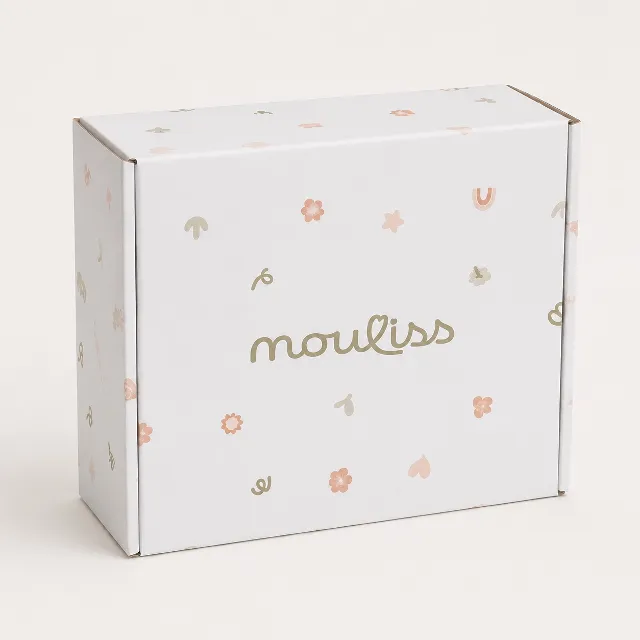
Wide base provides room to arrange folded clothing sets.
Explore packaging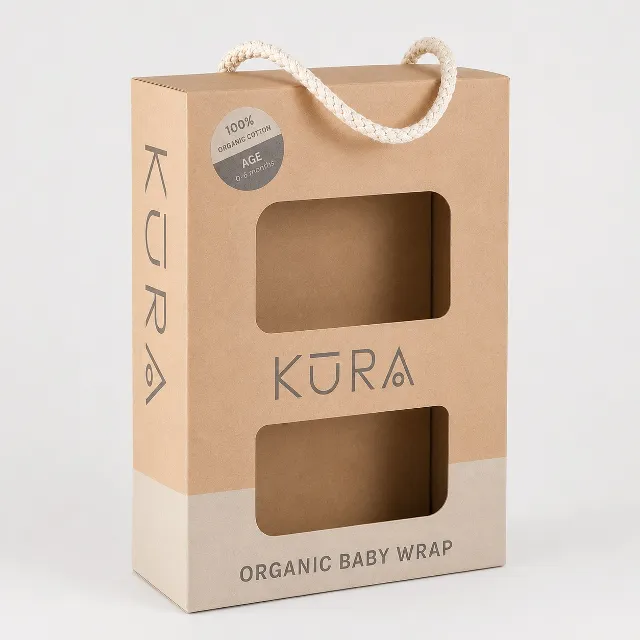
Twin windows reveal the folded textile through the front panel.
Explore packaging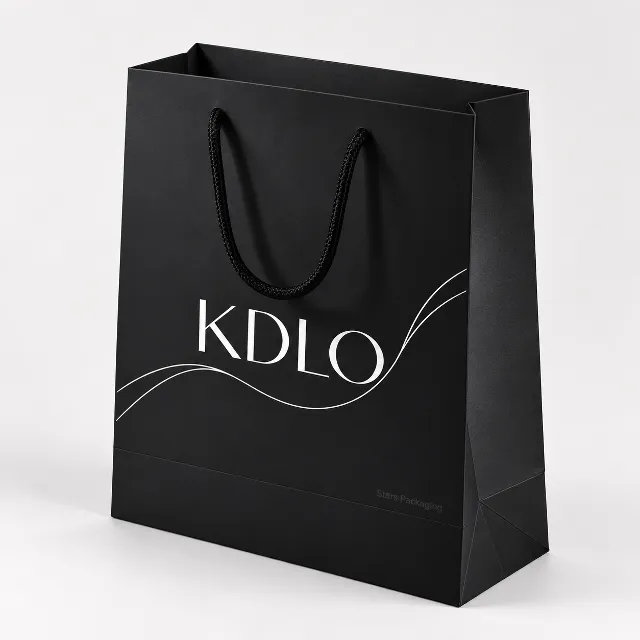
Black rope handles continue the monochrome appearance of the bag body.
Explore packaging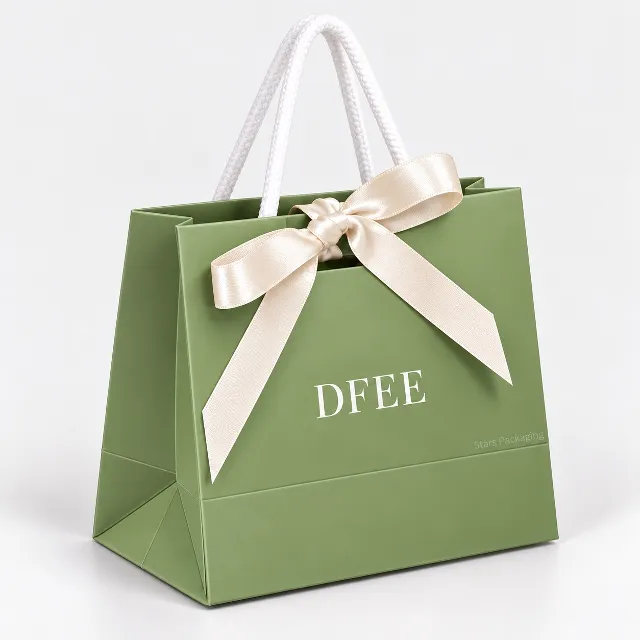
White rope handles provide the visible carrying loops above the sage green body.
Explore packaging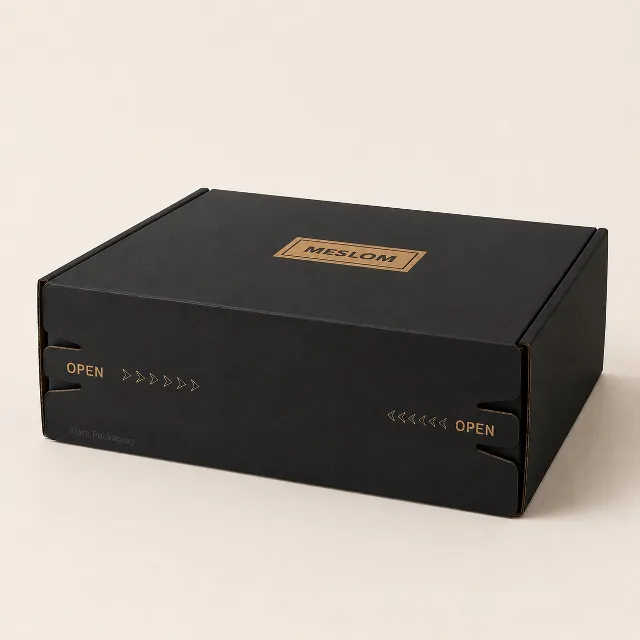
Integrated adhesive strips form the lid sealing area.
Explore packaging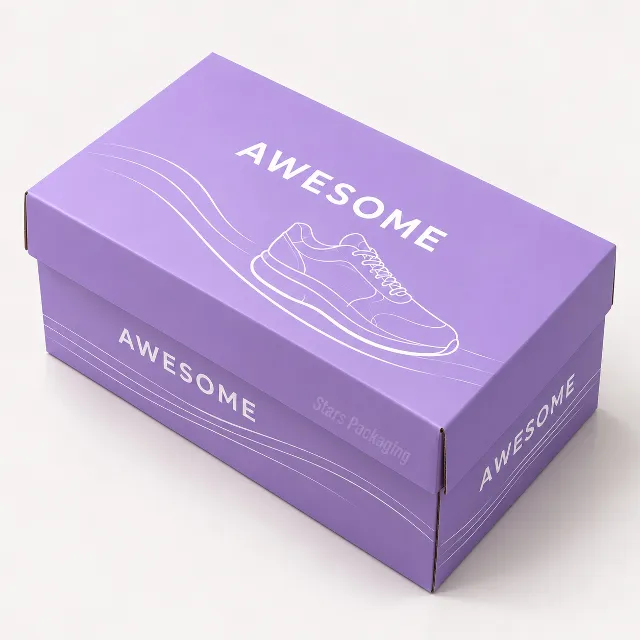
Fold-flat blank reduces empty-box storage volume.
Explore packaging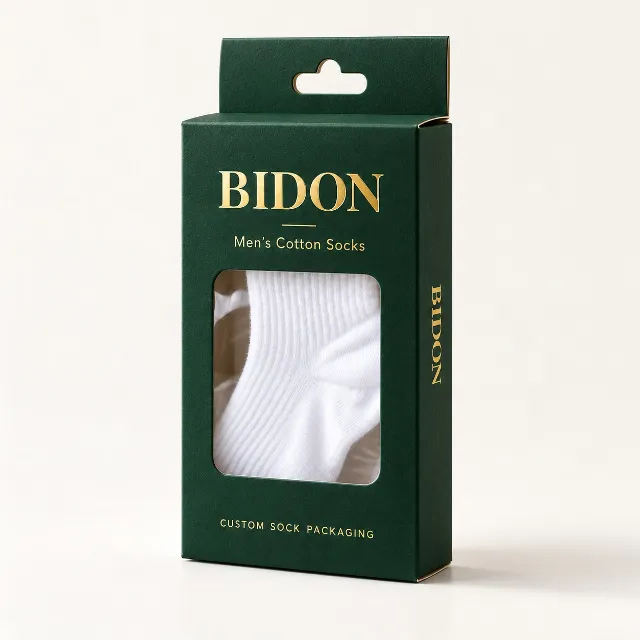
Sock retail packaging with a front display window, hang tab and custom printed panels.
Explore packaging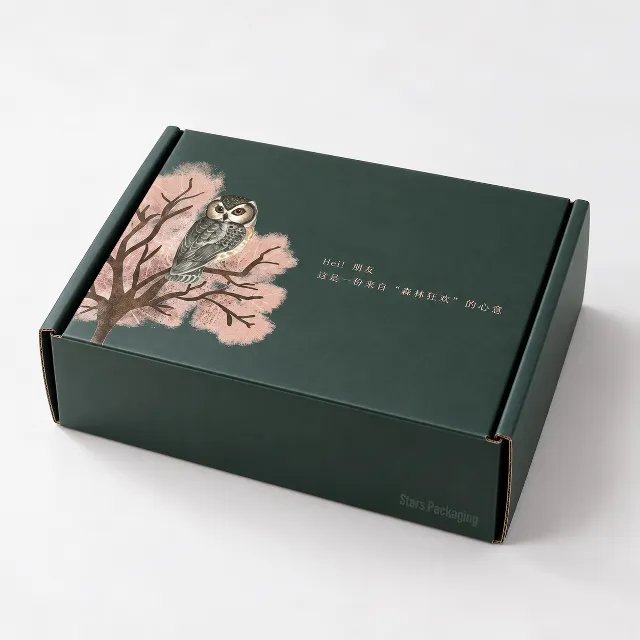
Folding side panels open out around the base for arranging the garment presentation.
Explore packaging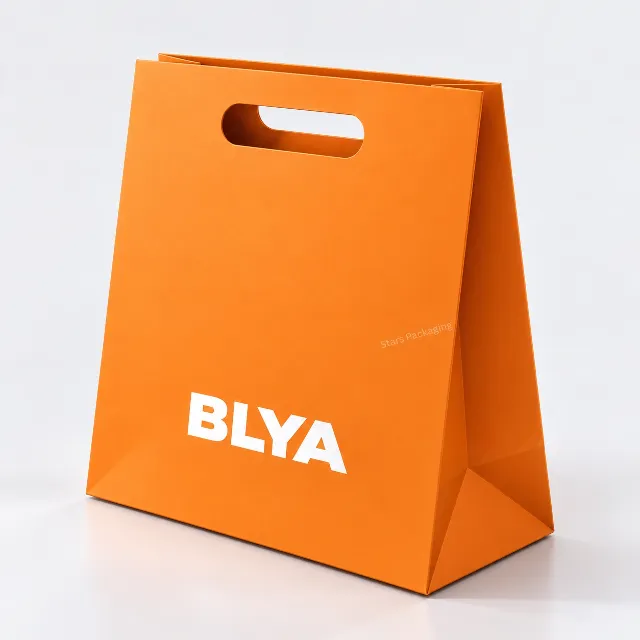
Die-cut hand holes keep the handle detail within the upper paper panels.
Explore packaging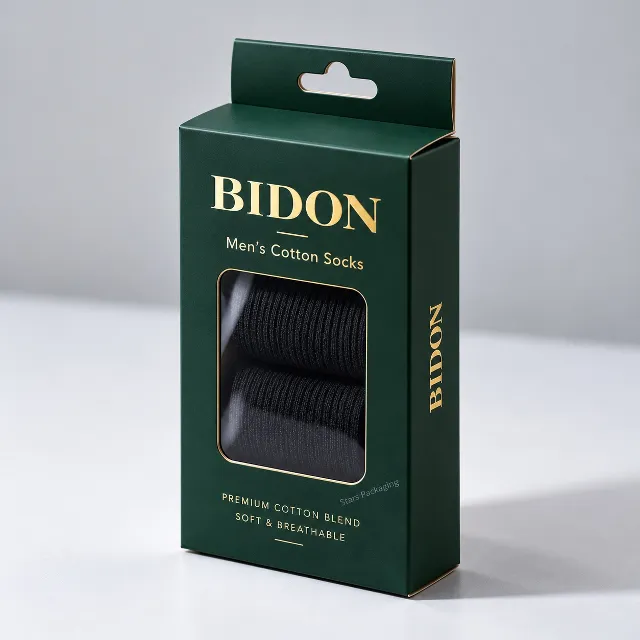
Green sock cartons with clear front windows and die-cut hanging headers.
Explore packaging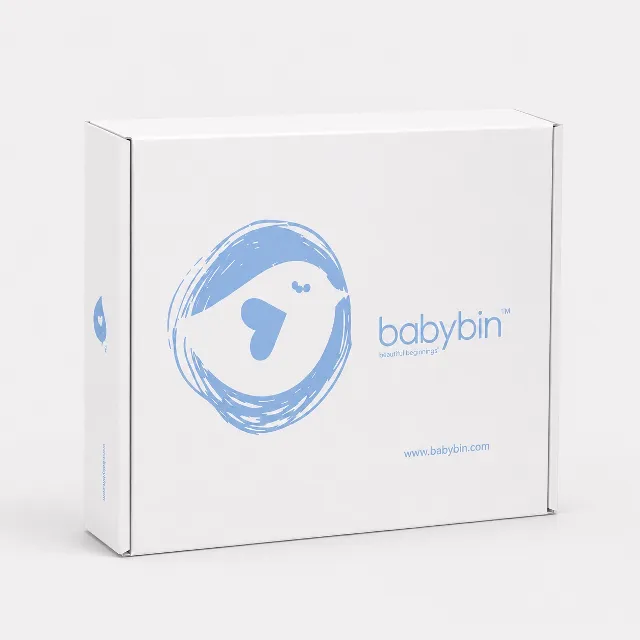
Open base brings baby garments and accessories into one gift set.
Explore packagingA neatly folded shirt and a structured handbag occupy space in different ways. Establish the final folded or assembled dimensions before choosing the pack. Include tissue, hangtags and any accessory that the packing team will add, then check whether the product can be lifted out without catching a trim or fastening.
Retail handover and parcel delivery should be planned separately. A shopping bag can coordinate the collection in store, while a delivery order may need an additional shipping outer and a clear returns arrangement. Review the packaging family across sizes and colours so that staff can identify the correct variant without opening every box.
Paper shopping bags
Size the bag around the packed purchase, not only the garment. Confirm handle construction and the intended load with the actual contents.
Apparel presentation boxes
Review folding cartons or rigid boxes for a defined fold and pack-out. Check the appearance after the product has rested in the box.
Accessory boxes
Use internal positioning for belts, small leather goods or scarves. Avoid unnecessary material or details that catch delicate surfaces.
Send folded dimensions, product weight, SKU range, tissue and tag details, and the retail or shipping channel. Include the expected return process if the packaging is meant to be used again for that journey.
Use the largest packed order and the intended weight as references. Smaller purchases should still sit securely rather than move excessively inside the bag.
Do not assume so. Product labels, fibre information and care instructions need the brand’s own approval for the market where the garment is sold.
Only after the complete packed product has been reviewed for its distribution route. A presentation finish alone does not establish transport performance.
Group products by their real folded dimensions and pack-out requirements. Test the proposed common sizes against outliers before standardising the range.